
Tools for Maximizing Storage Capacity in Warehouses: Increase Efficiency
Maximizing storage capacity is a critical aspect of warehouse management that directly impacts operational efficiency and cost-effectiveness. As businesses continue to expand, the demand for optimized storage solutions has grown significantly. Warehouses play a pivotal role in supply chains, requiring innovative tools and strategies to manage space better while accommodating increasing inventory levels.
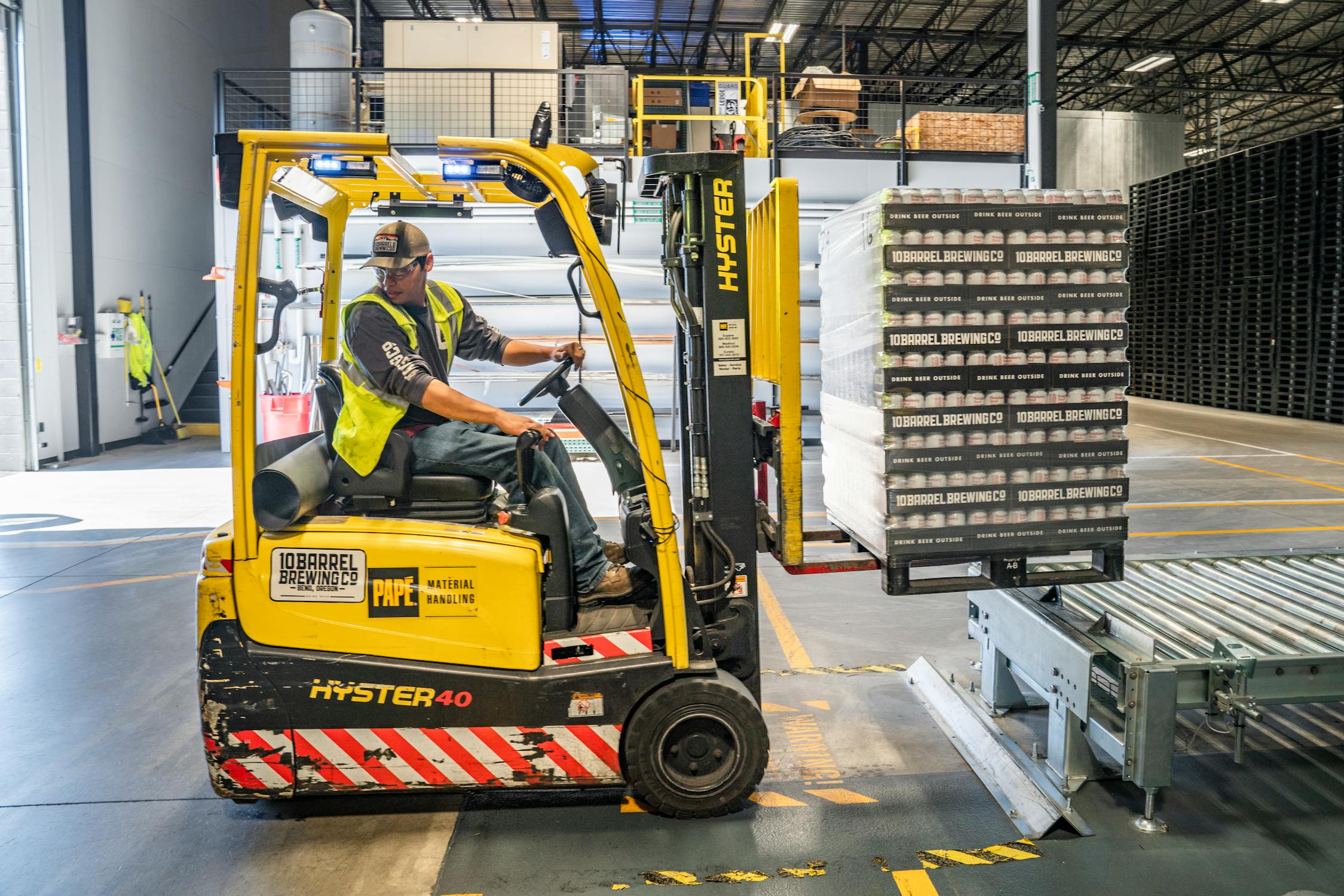
Effective utilization of warehouse space not only reduces operational costs but also improves accessibility and workflow. With advancements in technology and evolving industry practices, there are numerous tools available to help businesses streamline their storage systems. From automated solutions to structural improvements, these innovations are designed to tackle common challenges like limited space, inefficient layouts, and inventory mismanagement.
1. Optimizing Warehouse Layouts
The foundation of maximizing storage capacity begins with an optimized warehouse layout. A well-designed layout ensures efficient use of space and smooth movement of goods. Businesses can achieve this by analyzing storage requirements, traffic flow, and order picking processes. Tools such as warehouse management systems (WMS) can assist in visualizing and planning layouts effectively.
- Adopting vertical storage methods with high racks or mezzanine floors.
- Designating clear zones for receiving, storing, packing, and shipping goods.
- Implementing narrow aisle designs to increase the number of storage rows.
Regularly revisiting and adjusting layouts based on changing inventory needs can further enhance storage efficiency.
2. Utilizing Automated Storage and Retrieval Systems (AS/RS)
Automated Storage and Retrieval Systems (AS/RS) have revolutionized warehouse operations by integrating technology into storage processes. These systems utilize automated cranes or shuttles to store and retrieve items from designated locations, minimizing human intervention.
Key benefits include:
- Maximized vertical space usage in warehouses with limited floor area.
- Faster picking times due to precise automation.
- Reduced labor costs and minimized errors during inventory handling.
AS/RS solutions are ideal for businesses handling high volumes of small-to-medium-sized goods or operating in constrained spaces.
3. Implementing Inventory Management Software
An effective inventory management system ensures that items are stored efficiently while reducing overstocking or understocking issues. Modern software tools offer real-time visibility into inventory levels, allowing managers to allocate space dynamically based on demand trends.
These systems often include features like:
- Barcode scanning for accurate tracking of goods.
- Data analytics to identify slow-moving or obsolete inventory.
- Integration with WMS for seamless synchronization between storage and order fulfillment processes.
Efficient inventory management not only saves space but also enhances customer satisfaction through timely order deliveries.
4. Adopting Mobile Racking Systems
Mobile racking systems offer a flexible solution for warehouses looking to maximize their storage density without compromising accessibility. Unlike static racks, mobile racks are mounted on tracks that allow them to slide open or close as needed. This eliminates unnecessary aisles while maintaining easy access to stored items when required.
These systems are particularly beneficial for industries dealing with seasonal fluctuations or requiring cold storage environments, where every square meter matters significantly.
5. Exploring IoT and Smart Sensors
The Internet of Things (IoT) has introduced innovative possibilities for optimizing warehouse operations. Smart sensors can monitor various parameters like temperature, humidity, weight distribution, and space utilization in real time. For example:
- Sensors placed on shelves can detect underutilized spaces and suggest rearrangements.
- IOT-enabled forklifts can navigate narrow aisles more effectively using real-time mapping data.
- Energy-efficient lighting systems activated by motion sensors reduce overhead costs while improving visibility during operations.
The integration of IoT not only improves efficiency but also supports sustainability goals by reducing energy consumption and waste generation within warehouses.
A practical approach combining layout optimization, advanced technology like AS/RS and IoT devices, as well as modern inventory management techniques is essential for maximizing storage capacity in warehouses. These strategies ensure that businesses can meet growing demands without expanding their physical footprint unnecessarily. Implementing these tools requires thoughtful planning and investment but delivers long-term benefits in terms of cost savings, improved productivity, and enhanced operational capabilities. By adopting these solutions tailored to specific needs, businesses can unlock the full potential of their warehouse spaces effectively.