
Prefabricated Container Houses: Modern and Efficient Homes
Think about how often we see shipping containers stacked like Lego blocks at ports or depots. Now imagine those same steel boxes transformed into sleek, modern homes. That’s the concept behind prefabricated container houses, and it’s not just a passing trend, it’s a practical, sustainable way to live. These homes are turning heads for their affordability, efficiency, and surprisingly stylish designs.
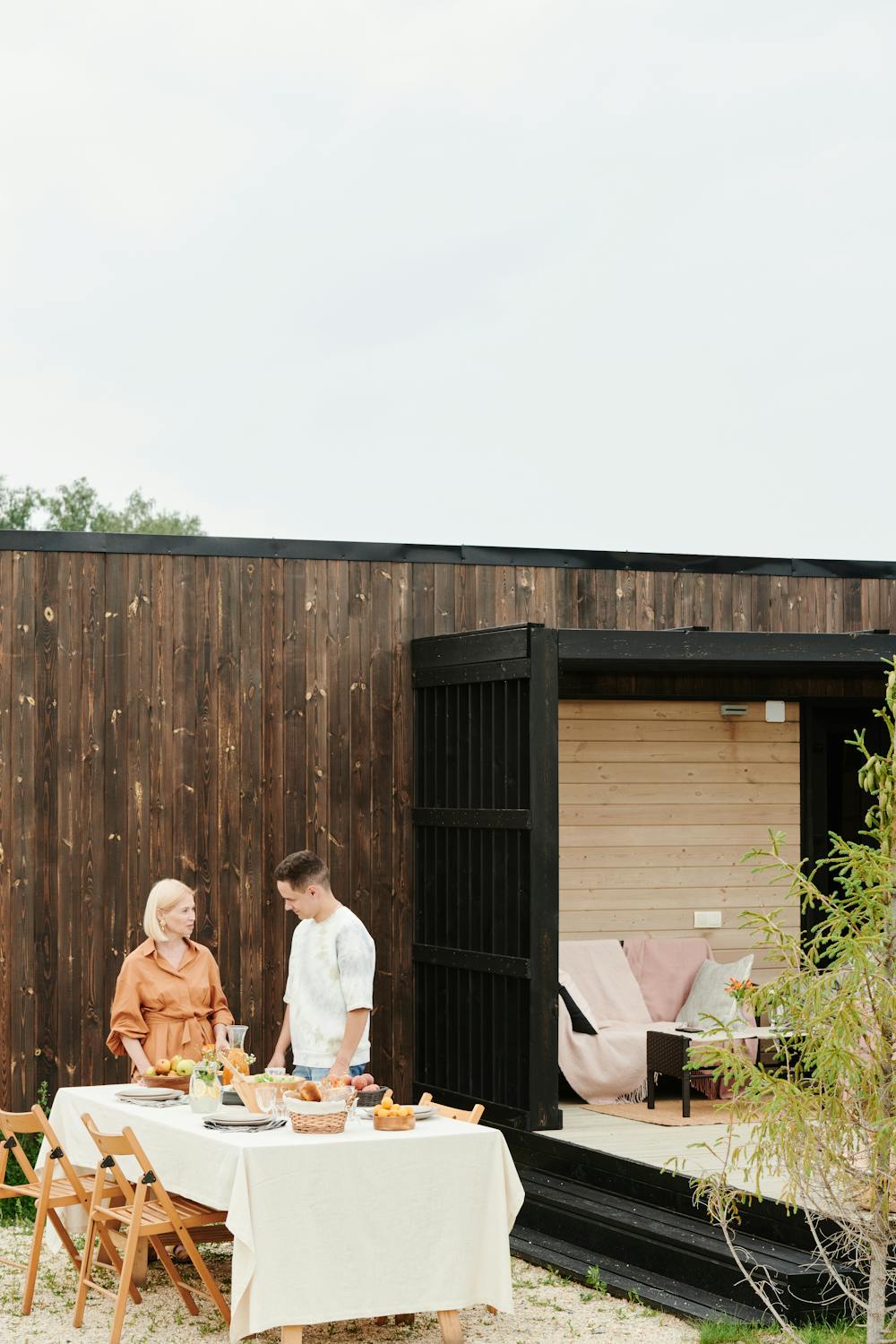
What Are Prefabricated Container Houses?
At their core (pun intended), prefabricated container houses are residential spaces built using recycled shipping containers. These containers are repurposed into modular units that can be customized to create anything from tiny homes to multi-story residences. They’re built off-site in factories and then transported to their final location for assembly. Think of it as ordering a piece of furniture that arrives in parts but comes together like a charm once on-site.
The appeal lies in their simplicity and versatility. A standard shipping container is 8 feet wide and comes in 20- or 40-foot lengths, providing a sturdy, ready-made structure to work with. These dimensions may sound restrictive at first, but clever design can make them feel far more spacious than you’d expect.
Why Choose a Container Home?
The reasons for opting for a container home vary, but the main draws typically include cost savings, environmental benefits, and speed of construction. Let’s break these down:
- Affordability: Shipping containers are relatively inexpensive compared to traditional building materials. A used container might cost anywhere from $1,500 to $5,000 depending on its condition and size. Even with customization and additional building expenses factored in, the total cost is often significantly lower than building a conventional home.
- Eco-Friendliness: Repurposing containers reduces waste and gives these steel structures a second life. Instead of ending up as scrap metal, they become functional living spaces. Many container homeowners incorporate energy-efficient features like solar panels and rainwater harvesting systems.
- Speed: Because the units are prefabricated in factories, construction times are much shorter than traditional builds. A basic container home can be ready in weeks rather than months.
Take the example of a young couple in Texas who built their dream home using two 40-foot containers. They managed to keep costs under $50,000 by doing much of the interior work themselves and incorporating reclaimed materials. The result? A cozy yet modern two-bedroom space that feels anything but cramped.
The Customization Options Are Endless
If you’re picturing plain metal walls and industrial vibes, think again. Prefabricated container houses can be customized extensively to match your personal style and needs. From adding large windows and skylights to installing insulation and modern finishes, there’s no shortage of ways to make these homes comfortable and inviting.
Want an open-concept kitchen with sleek cabinetry? No problem. Need extra rooms for kids or guests? Stack additional containers or extend outward horizontally, modular designs make it easy to expand without starting from scratch.
Architects have even turned container housing into an art form. The “Container House” project by architect Adam Kalkin showcases how luxurious these homes can be when thoughtfully designed. With polished wood floors, high ceilings, and carefully planned layouts, it’s hard to tell you’re standing inside what was once a shipping container.
A Few Things to Consider Before Making the Leap
While the benefits are substantial, it’s worth noting some challenges before committing to a container house:
- Permits and Zoning: Not all municipalities are on board with unconventional housing methods. You’ll need to check local regulations before diving into construction plans.
- Insulation: Shipping containers weren’t designed for comfortable living, they were made to haul goods across oceans. Without proper insulation, they can get unbearably hot or cold depending on the weather.
- Structural Modifications: Cutting out sections for doors and windows weakens the structural integrity of the container. Professional reinforcements may be necessary to maintain safety.
An important tip: Work with experienced contractors or architects who specialize in container homes. They’ll ensure your design meets safety standards while making the most of your space.
A Global Solution for Affordable Housing
The adaptability of container homes has also made them popular in addressing larger housing crises around the globe. Nonprofit organizations have begun using them as temporary shelters in disaster-stricken areas because they’re quick to deploy and highly durable.
In Amsterdam, Hundreds of students live in repurposed containers outfitted with kitchens, bathrooms, and even Wi-Fi access, proof that these structures can handle urban living just as well as rural retreats.
The Future of Living Smartly
The rise of prefabricated container houses highlights a shift toward smarter living, homes that are affordable without compromising on quality or aesthetics. Whether you’re drawn by the cost savings or intrigued by the eco-friendly aspect, these modular homes offer an exciting alternative to conventional housing options.
If you’ve ever dreamed of owning your own space but felt deterred by skyrocketing real estate prices, perhaps it’s time to consider thinking inside the box, literally!
References: